
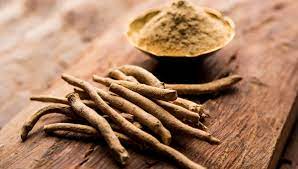
Ashwagandha in Spanish is usually called ashwagandha. It’s also known by its scientific name Withania somnifera, and sometimes described colloquially as “ginseng indio.” Below you’ll find pronunciation tips, grammar notes, natural example sentences, common mistakes, and short practice exercises.

What is Ashwagandha in Spanish? Ashwagandha is a naturally occurring herb used for medicinal purpose. It is mostly used by Indians. It is commonly known as Indian ginseng, poison gooseberry. The word Ashwagandha describes the smell of its roots meaning ‘like a horse’. By meaning ashwa means horse.
How to say Ashwagandha in Spanish (quick answer)
One-word translation: ashwagandha. The scientific name remains Withania somnifera. A colloquial Spanish label you may see is ginseng indio, but that can be misleading because it’s not a true ginseng.
Pronunciation guide
Spanish speakers often adapt the English/Sanskrit name to Spanish phonetics. Common approximations in English orthography:
- ah-shwa-GAHN-dah (stress on the third syllable)
- In Spanish phonetic style: [aʃwaˈɡanda] or simply pronounced as spelled: ash-wa-gan-da.
For the scientific name, say: Withania somnifera — in Spanish you’ll often hear Withania pronounced like wi-THA-nia or wi-TA-nia depending on region, and somnifera as som-ni-FE-ra.
Grammar: gender, articles, and plurality
- Gender: usually feminine — la ashwagandha. Example: La ashwagandha se usa como suplemento.
- Countability: often uncountable when referring to the herb or powder: Compra ashwagandha en cápsulas.
- When referring to different products or varieties, you may see a plural: las ashwagandhas (rare).
Scientific name and common translations
Withania somnifera — the botanical name stays the same. Common Spanish renderings you may encounter on packaging or in text:
- Ashwagandha — most common
- Withania somnifera — scientific
- Ginseng indio — colloquial; use cautiously because it implies a relation to true ginsengs (Panax spp.) that is not botanically accurate
Sentences with the word Ashwagandha in Spanish
Useful example sentences (Spanish → English)
La bufera se conoce también como Ashwagandha. – Bufera is also known as Ashwagandha. Ashwagandha es una planta. – Ashwagandha is a plant. La Ashwagandha es conocida también como ginseng indio. – Ashwagandha is also known as Indian ginseng. Ashwagandha es uno de los nombres que recibe el oroval. – Ashwagandha is one of the names that oroval receives. El orval se conoce como Ashwagandha. – The orval is known as Ashwagandha. La Ashwagandha o hierba mora mayor desprende un aroma particular. – The Ashwagandha or greater blackberry herb gives off a particular aroma. La traducción literal de Ashwagandha es “aroma de caballo”. – The literal translation of Ashwagandha is “horse aroma”. ¿Se puede trepar esa Ashwagandha? – Can you climb that Ashwagandha? La Ashwagandha es un arbusto erecto. – Ashwagandha is an erect bush. El fruto de la Ashwagandha es una baya. – The fruit of Ashwagandha is a berry. La flor de Ashwagandha es verdosa. – Ashwagandha flower is greenish. ¿De dónde es la Ashwagandha? – Where is Ashwagandha from? Creo que la Ashwagandha es originaria de Asia. – I believe that Ashwagandha is native to Asia. La raíz de Ashwagandha tiene propiedades sedantes. – Ashwagandha root has sedative properties. La Ashwagandha es un somnífero. – Ashwagandha is a sleeping pill. En la medicina tradicional china se usa la Ashwagandha. – Ashwagandha is used in traditional Chinese medicine. ¿Tiene la Ashwagandha propiedades contra el Alzheimer? – Does Ashwagandha have properties against Alzheimer’s? Ashwagandha es un arbusto de hoja perenne. – Ashwagandha is an evergreen shrub. La Ashwagandha contiene sustancias químicas que pueden ayudar a calmar el cerebro. – Ashwagandha contains chemicals that can help calm the brain. Tengo irritado el estómago por consumir Ashwagandha. – I have an upset stomach from consuming Ashwagandha. No consumo Ashwagandha porque tengo una úlcera estomacal. – I don’t take Ashwagandha because I have a stomach ulcer. Debes consultar al médico antes de tomar Ashwagandha. – You should consult the doctor before taking Ashwagandha. La Ashwagandha podría alterar los niveles de hormona tiroidea. – Ashwagandha might alter thyroid hormone levels. La Ashwagandha se debe tomar dos veces al dia. – Ashwagandha should be taken twice a day. En dos semanas podemos ver los beneficios del consumo de Ashwagandha. – In two weeks we can see the benefits of consuming Ashwagandha. Yo tomaba Ashwagandha para adelgazar. – I used to take Ashwagandha to lose weight. Mi ansiedad no se calma con Ashwagandha. – My anxiety does not calm down with Ashwagandha. ¿Has consumido Ashwagandha? – Have you consumed Ashwagandha? No sé cómo preparar la Ashwagandha. – I don’t know how to prepare Ashwagandha. Podemos encontrar la Ashwagandha en polvo y en cápsula. – We can find Ashwagandha in powder and capsule form.
Loading Spanish learning game…
- Spanish: Tomé ashwagandha por la noche para ayudarme a relajarme.
English: I took ashwagandha at night to help me relax. - Spanish: ¿Vendes ashwagandha en cápsulas o en polvo?
English: Do you sell ashwagandha in capsules or powder? - Spanish: El suplemento contiene Withania somnifera 500 mg.
English: The supplement contains Withania somnifera 500 mg. - Spanish: No confunda la ashwagandha con el ginseng tradicional.
English: Do not confuse ashwagandha with traditional ginseng.
Common mistakes and how to avoid them
- Translating ashwagandha to just “ginseng.” Wrong: ginseng (without clarification). Better: ashwagandha or ginseng indio (ashwagandha) if you must relate it for a general audience.
- Incorrect article gender. Use la ashwagandha, not el.
- Capitalization. It’s a common noun: write ashwagandha, not Ashwagandha, unless starting a sentence or using it as a brand name.
- Mispronouncing “Withania” — check scientific pronunciation if you must use the Latin name, but most Spanish speakers will stick to the common name.
Useful phrases for buying and asking about ashwagandha
- ¿Tiene ashwagandha orgánica? — Do you have organic ashwagandha?
- ¿Cuál es la dosis recomendada de ashwagandha? — What is the recommended dosage of ashwagandha?
- ¿Este producto contiene Withania somnifera? — Does this product contain Withania somnifera?
Quick practice (with answers)
- Translate to Spanish: “I bought ashwagandha capsules.” — Answer: Compré cápsulas de ashwagandha.
- Choose correct article: “___ ashwagandha es un suplemento popular.” — Answer: La ashwagandha es un suplemento popular.
- True or False: “In Spanish, it’s best to always translate ashwagandha as ‘ginseng’.” — Answer: False. Use ashwagandha or ginseng indio with caution.
Final notes
If you’re reading labels in Spanish or talking with a Spanish-speaking herbalist, use ashwagandha or the scientific name Withania somnifera to be clear. Reserve “ginseng indio” for informal explanations, but clarify that it’s not a true ginseng to avoid botanical confusion.
Practice what you learned
Choose an answer for each question, then check your results.